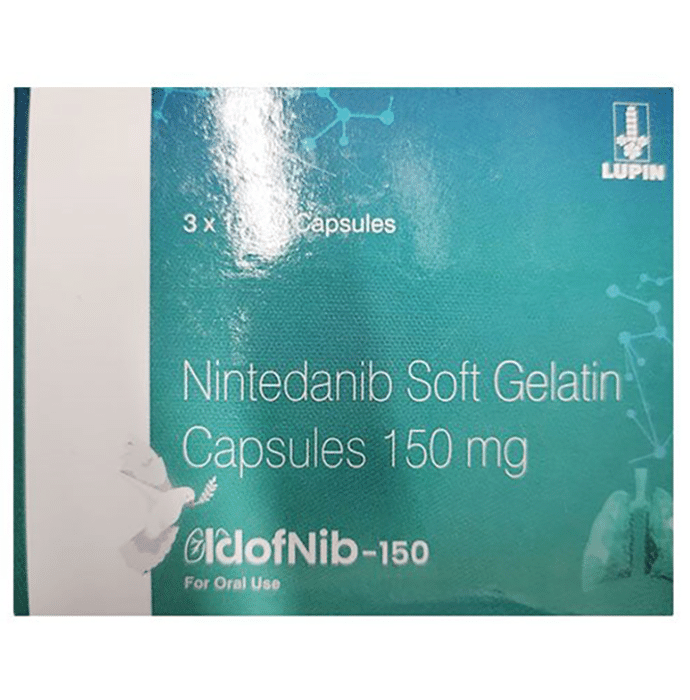
Idofnib 150 Soft Gelatin Capsule
by Lupin Ltd
In Treatment of Idiopathic pulmonary fibrosis Idiopathic pulmonary fibrosis is a lung disease caused by lung tissue becoming thick and stiff and eventually forming scar tissue within the lungs. The scarring, or fibrosis, seems to result from a cycle of damage …



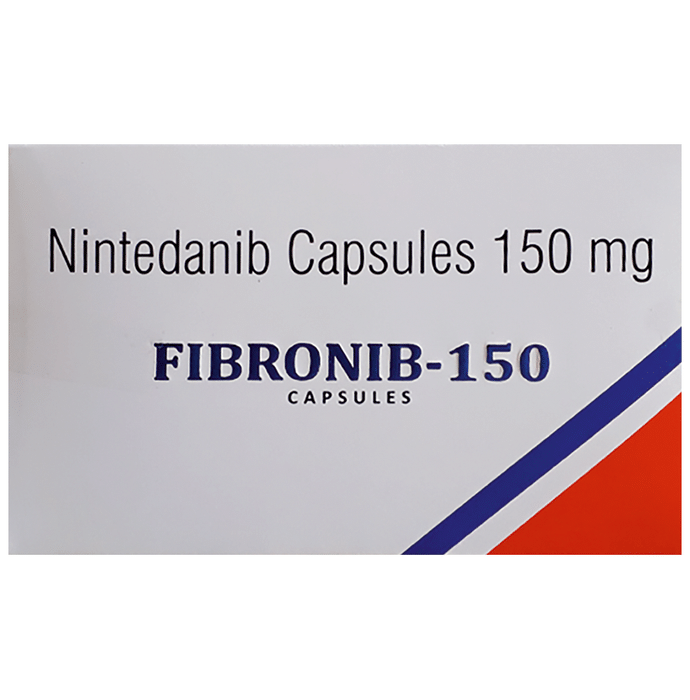
Macdanib 150mg Capsule
About this Medicine
Idofnib 150 Soft Gelatin Capsule is used in the treatment of idiopathic pulmonary fibrosis and non-small cell lung cancer. It works by targeting certain pathways involved in the growth and progression of these diseases and helps to stop or slow the spread of cancer cells. Idofnib 150 Soft Gelatin Capsule should be taken with food, but try to have it at the same time every day to get the most benefits. Your doctor will decide what dose is necessary and how often you need to take it. This will depend on what you are being treated for and may change from time to time. You should take it exactly as your doctor has advised. Taking it in the wrong way or taking too much can cause very serious side effects. It may take several weeks or months for you to see or feel the benefits but do not stop taking it unless your doctor tells you to.Diarrhea is a very common side effect of this medicine. You are advised to drink plenty of fluids and inform your doctor if it does not go away. Other common side effects include nausea, abdominal pain, vomiting, abnormal liver function tests, loss of appetite, headache, weight loss, and high blood pressure. Your doctor might ask you for some blood tests to monitor liver functioning.Before taking it, tell your doctor if have a bleeding problem, liver, or kidney problems or are taking any medicines to treat infections. Many other medicines can affect, or be affected by, this medicine so let your healthcare team know all medications you are using. This medicine is not recommended during pregnancy or while breastfeeding. The use of effective contraception by both males and females during treatment is important to avoid pregnancy.
How it Works
Idofnib 150 Soft Gelatin Capsule is an anti-cancer medication. It works by blocking the action of the abnormal protein that signals cancer cells to multiply. It also blocks pathways in the body that result in fibrosis, which is the thickening or scarring of the tissue. This helps to stop or slow the spread of cancer cells.
Key Facts
Chemical Class :: Indolecarboxylic Acids|Habit Forming :: No|Therapeutic Class :: ANTI NEOPLASTICS|Action Class :: Tyrosine kinase inhibitors
Safety Overview


Not sure if this medicine is right for you?
Consult a certified doctor for personalised medical advice.