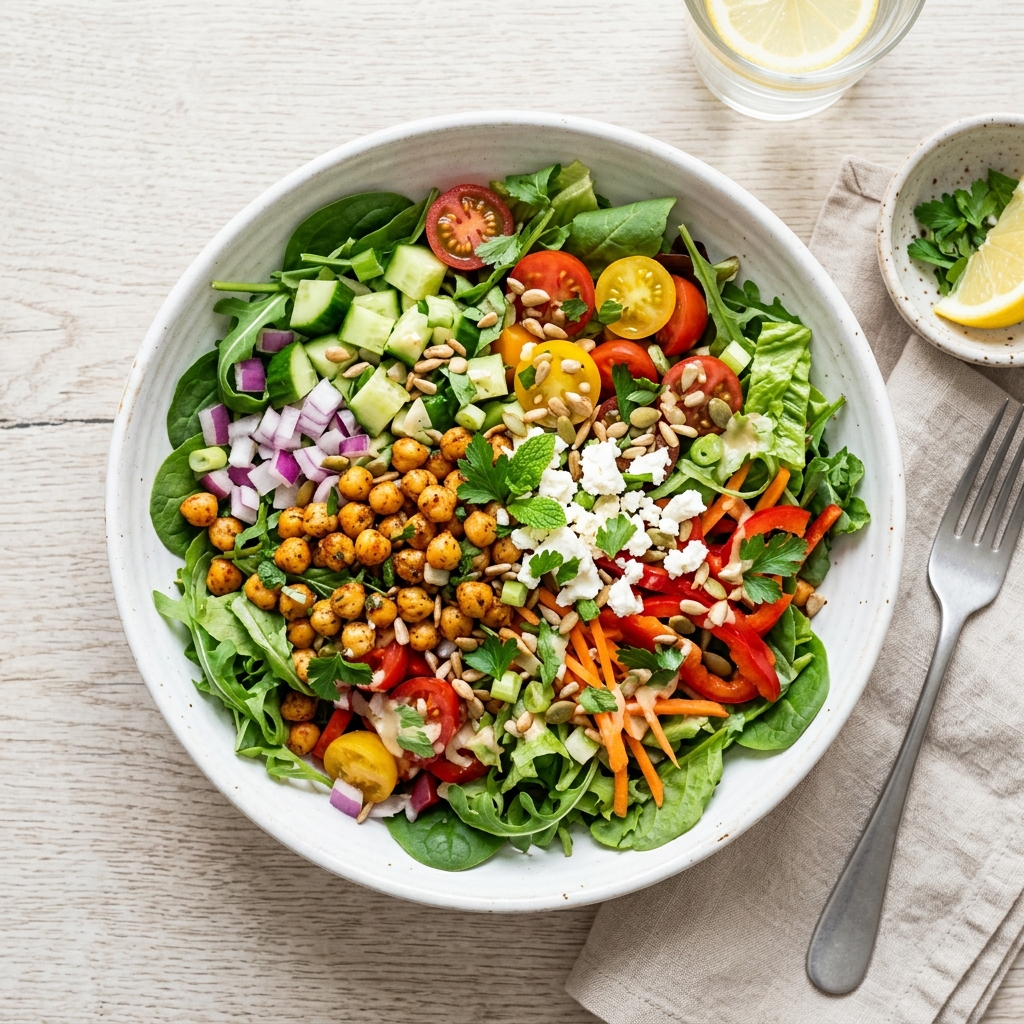
Diabetes Diet: Foods to Eat and Avoid
Managing diabetes starts with making smart food choices. A healthy diabetes-friendly diet can help control blood sugar levels, improve energy, maintain a healthy weight, and reduce the risk of complications such as heart disease and high blood pressure.
Whether you have Type 1 diabetes, Type 2 diabetes, or prediabetes, understanding which foods to eat and which to avoid is essential for long-term health.
In this guide, we’ll explore the best foods for diabetes management, foods to limit, meal planning tips, and healthy eating habits for balanced blood sugar levels.
Why Diet Matters in Diabetes
When you eat, your body converts carbohydrates into glucose (sugar), which enters the bloodstream. Insulin helps move this sugar into cells for energy.
In diabetes, the body either:
- Does not produce enough insulin, or
- Cannot use insulin effectively
This leads to high blood sugar levels, making diet one of the most important parts of diabetes management.
A balanced diet can help:
- Stabilize blood sugar
- Improve insulin sensitivity
- Support heart health
- Reduce inflammation
- Prevent complications
Best Foods to Eat for Diabetes
1. Non-Starchy Vegetables
Non-starchy vegetables are low in calories and carbohydrates while being rich in vitamins, minerals, and fiber.
Best Choices
- Spinach
- Broccoli
- Cauliflower
- Cucumber
- Bell peppers
- Cabbage
- Tomatoes
These vegetables help keep you full without causing major blood sugar spikes.
2. Whole Grains
Whole grains digest more slowly than refined grains, helping maintain steady blood sugar levels.
Healthy Whole Grains
- Brown rice
- Oats
- Quinoa
- Whole wheat bread
- Barley
- Millets
Choose high-fiber grain options whenever possible.
3. Lean Protein Sources
Protein helps maintain muscle health and keeps you satisfied longer.
Good Protein Options
- Skinless chicken
- Fish
- Eggs
- Tofu
- Lentils
- Beans
- Greek yogurt
Fatty fish like salmon also provide heart-healthy omega-3 fatty acids.
4. Healthy Fats
Healthy fats support heart health and may improve insulin sensitivity.
Healthy Fat Sources
- Avocados
- Nuts
- Seeds
- Olive oil
- Flaxseeds
- Chia seeds
Consume fats in moderation as part of a balanced diet.
5. Low-Glycemic Fruits
Some fruits have a lower glycemic index, meaning they raise blood sugar more slowly.
Diabetes-Friendly Fruits
- Apples
- Berries
- Pears
- Oranges
- Guava
- Kiwi
Eat whole fruits instead of fruit juices for better fiber intake.
6. High-Fiber Foods
Fiber slows sugar absorption and supports digestive health.
High-Fiber Foods
- Beans
- Chickpeas
- Lentils
- Oats
- Vegetables
- Seeds
Adults should aim for adequate daily fiber intake for better blood sugar control.
Foods to Avoid or Limit
1. Sugary Drinks
Sugary beverages can rapidly increase blood sugar levels.
Avoid
- Soft drinks
- Energy drinks
- Sweetened juices
- Packaged iced teas
Choose water, herbal tea, or unsweetened beverages instead.
2. Refined Carbohydrates
Refined carbs digest quickly and may cause blood sugar spikes.
Limit
- White bread
- White rice
- Pastries
- Cakes
- Cookies
- Sugary cereals
Replace them with whole-grain alternatives.
3. Processed and Fast Foods
Highly processed foods often contain unhealthy fats, excess salt, and hidden sugars.
Foods to Reduce
- Chips
- Packaged snacks
- Fried foods
- Processed meats
- Instant noodles
Frequent consumption may increase the risk of obesity and heart disease.
4. High-Sugar Desserts
Desserts with high sugar content can disrupt blood sugar balance.
Examples
- Ice cream
- Donuts
- Candy
- Sweet pastries
If desired, enjoy small portions occasionally and in moderation.
5. Trans Fats and Excess Saturated Fats
Unhealthy fats may increase the risk of heart disease, which is already higher in people with diabetes.
Limit
- Deep-fried foods
- Margarine
- Processed baked goods
- Fatty processed meats
Focus on healthier fat choices instead.
Smart Diabetes Meal Planning Tips
Practice Portion Control
Eating too much at once can raise blood sugar levels.
Helpful Strategies
- Use smaller plates
- Balance protein, fiber, and carbs
- Avoid overeating
- Monitor serving sizes
Follow a Balanced Plate Method
A simple diabetes-friendly plate can include:
- 50% non-starchy vegetables
- 25% lean protein
- 25% whole grains or healthy carbs
This approach helps create balanced meals.
Eat Regular Meals
Skipping meals may lead to unstable blood sugar levels and overeating later.
Try to:
- Eat at consistent times
- Avoid long gaps between meals
- Include healthy snacks if needed
Stay Hydrated
Proper hydration supports overall metabolism and health.
Best Choices
- Water
- Lemon water
- Herbal tea
- Unsweetened beverages
Avoid sugary drinks whenever possible.
Can People with Diabetes Eat Sugar?
Yes, people with diabetes can occasionally enjoy small amounts of sugar as part of a balanced diet. The key is moderation and portion control.
It’s important to focus on overall carbohydrate intake rather than completely eliminating specific foods.
Consulting a healthcare professional or dietitian can help create a personalized meal plan.
Lifestyle Tips for Better Diabetes Management
Healthy eating works best when combined with other healthy habits.
Additional Tips
- Exercise regularly
- Maintain a healthy weight
- Sleep well
- Manage stress
- Monitor blood sugar levels
- Follow medical advice
Consistency is key for long-term diabetes control.
Final Thoughts
A healthy diabetes diet is not about strict restrictions or avoiding all your favorite foods. It’s about balance, smart choices, and sustainable eating habits.
Focusing on whole foods, fiber-rich meals, lean proteins, healthy fats, and portion control can help maintain stable blood sugar levels and improve overall health.
By understanding which foods to eat and which to avoid, people with diabetes can enjoy a healthier and more active lifestyle.