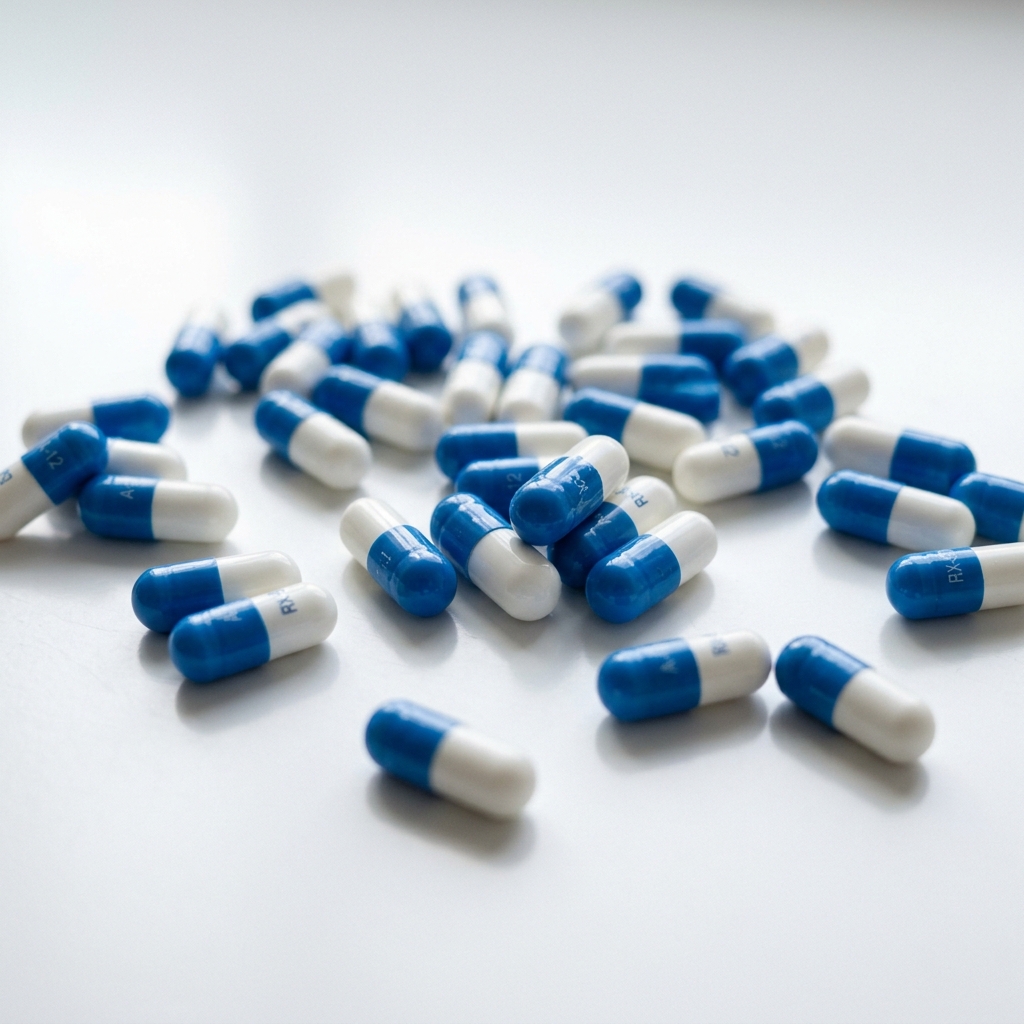
Understanding Antibiotics: Myths vs Facts
Antibiotics are among the most important medical discoveries in human history. They have saved millions of lives by treating bacterial infections effectively. However, despite their widespread use, many misconceptions still surround antibiotics. Misunderstanding how antibiotics work can lead to misuse, antibiotic resistance, and serious health risks.
In this blog, we’ll break down the most common myths and facts about antibiotics to help you use them safely and responsibly.
What Are Antibiotics?
Antibiotics are medicines used to treat bacterial infections. They work by killing bacteria or preventing them from multiplying inside the body.
Common Conditions Treated with Antibiotics
- Bacterial throat infections
- Urinary tract infections (UTIs)
- Pneumonia caused by bacteria
- Skin infections
- Certain ear infections
However, antibiotics do not work against viruses like the common cold or flu.
Why Antibiotic Awareness Matters
Overusing or misusing antibiotics can lead to antibiotic resistance. This happens when bacteria change and become resistant to the medicines designed to kill them.
As a result:
- Infections become harder to treat
- Medicines become less effective
- Recovery time increases
- Serious complications may occur
Responsible antibiotic use helps protect both individual and public health.
Common Antibiotic Myths vs Facts
Myth 1: Antibiotics Work for Viral Infections
Fact:
Antibiotics only treat bacterial infections, not viral infections.
Viruses cause illnesses such as:
- Common cold
- Flu
- COVID-19
- Most sore throats
Taking antibiotics unnecessarily for viral infections will not help you recover faster and may contribute to antibiotic resistance.
Myth 2: You Should Stop Antibiotics Once You Feel Better
Fact:
You should complete the full prescribed course unless your doctor advises otherwise.
Stopping antibiotics too early may leave some bacteria alive. These bacteria can become stronger and more resistant, causing the infection to return.
Always follow your healthcare provider’s instructions carefully.
Myth 3: Stronger Antibiotics Are Always Better
Fact:
Different antibiotics target different types of bacteria.
A “stronger” antibiotic is not always the right choice. Doctors prescribe antibiotics based on:
- Type of infection
- Severity of illness
- Patient health condition
- Bacterial sensitivity
Using unnecessary broad-spectrum antibiotics may increase resistance risk.
Myth 4: It’s Safe to Share Antibiotics with Others
Fact:
Antibiotics should never be shared.
The medication prescribed for one person may not work for another. Incorrect antibiotic use can:
- Delay proper treatment
- Cause allergic reactions
- Worsen infections
- Increase resistance
Always use medications prescribed specifically for you.
Myth 5: Leftover Antibiotics Can Be Used Later
Fact:
Using leftover antibiotics without medical advice is risky.
Different infections require different antibiotics and doses. Self-medicating may hide symptoms while the infection worsens.
Dispose of unused medications properly instead of saving them for future use.
Myth 6: Antibiotics Have No Side Effects
Fact:
Like all medications, antibiotics can cause side effects.
Common Side Effects
- Nausea
- Diarrhea
- Stomach upset
- Skin rashes
- Yeast infections
Some people may also experience allergic reactions. Seek medical help immediately if severe symptoms occur.
Myth 7: Antibiotic Resistance Happens in the Body
Fact:
Antibiotic resistance happens in bacteria, not in people.
When bacteria are repeatedly exposed to antibiotics, they can evolve and become resistant. Resistant bacteria can spread between people and communities.
This is why responsible antibiotic use is critical worldwide.
How to Use Antibiotics Responsibly
Follow These Safe Practices
- Only take antibiotics prescribed by a doctor
- Complete the full course
- Never skip doses
- Do not pressure doctors for antibiotics
- Avoid self-medication
- Never share prescriptions
Natural Ways to Support Recovery During Infections
While antibiotics fight bacterial infections, healthy habits can support your recovery process.
Helpful Recovery Tips
- Stay hydrated
- Get enough rest
- Eat nutritious foods
- Consume probiotics if recommended
- Avoid smoking and alcohol
These habits may help maintain overall health during treatment.
The Global Concern of Antibiotic Resistance
Health organizations worldwide warn that antibiotic resistance is becoming a major public health challenge.
If antibiotics stop working effectively:
- Minor infections could become dangerous
- Surgeries may become riskier
- Treatment options may become limited
Awareness and education are key to protecting future generations.
Final Thoughts
Understanding the truth about antibiotics helps prevent misuse and protects public health. Antibiotics are powerful medicines when used correctly, but they are not a cure for every illness.
By separating myths from facts, following medical advice, and using antibiotics responsibly, we can help reduce antibiotic resistance and keep these life-saving medicines effective for years to come.
Always consult a healthcare professional before taking any antibiotic medication.